01 · Design
Your Figma, turned into tokens
States and breakpoints checked; colours, type and spacing become CSS variables.
Cookies, your choice
We use Google Analytics to see which pages help people, only if you allow it. Cookies for login, security (reCAPTCHA) and support chat are always on. Privacy policy

From your Figma to a Joomla template: T4 and Bootstrap 5, clean overrides, small web components instead of plugin soup, and assets loaded through the Web Asset Manager. Editors keep working in Joomla; Core Web Vitals stay green.


 Reviews on Trustpilot →
View:





Agencies send a Figma file and get a template back in their repository.
States and breakpoints checked; colours, type and spacing become CSS variables.
Blocks editors can move, overrides only where the HTML must change, components with no jQuery.
Articles, modules and fields – the team edits; Core Web Vitals stay inside the budget.
The hard partKunena to EasyDiscuss, WordPress content into Joomla, surgeon verification and ACL for four user groups.
The hard partA custom template with a price calculator and an upload form, the five core services up front.
The hard partFour core page types redesigned on top of a Laravel upgrade, a cleaned-up codebase and an improved product sync API.
The hard partA new template and UI for a large, active community site, made mobile-friendly, with new features added along the way.
The hard partThe organisation's work, regional impact, strategies and opportunities, structured so visitors find them.
Most slow, fragile Joomla sites have the same story: a page builder, ten extensions for small UI pieces and overrides nobody can find. We build the other way.
The same checklist on every project, from the first layout to launch.
Colours, type and spacing from your design system, set once.
Core and extension output rewritten only where the design needs it.
Interactive pieces as small, dependency-free components.
One registry for scripts and styles, loaded only where used.
Checked by keyboard and screen reader, not only by a tool.
A budget per template and a measurement before launch.
Agencies can hand us a Figma file and get back a template in their repository.
Your Figma or design files checked for states, breakpoints and content that Joomla has to produce.
T4 template, tokens, typography, header and footer.
Page layouts, blocks and the overrides the design needs.
Interactive pieces as web components, registered in the asset manager.
Browsers, devices, keyboard and screen reader, Core Web Vitals.
Go live, editor guide, and the list of every override.
No inline script tags, no extension shipping its own copy of a library. Every asset has a name, dependencies and loading attributes.
joomla.asset.json{
"$schema": "https://developer.joomla.org/schemas/json-schema/web_assets.json",
"name": "tpl_example",
"version": "1.0.0",
"assets": [
{
"name": "tpl_example.slider",
"type": "script",
"uri": "slider.js",
"attributes": { "type": "module" }
},
{ "name": "tpl_example.slider", "type": "style", "uri": "slider.css" }
]
}<?php // html/mod_articles_category/slider.php $app->getDocument()->getWebAssetManager() ->useScript('tpl_example.slider') ->useStyle('tpl_example.slider'); ?> <px-slider aria-label="<?= htmlspecialchars($module->title) ?>"> <?php foreach ($list as $item) : ?> <a href="<?= $item->link ?>"><?= htmlspecialchars($item->title) ?></a> <?php endforeach; ?> </px-slider>
The default is the smallest thing that does the job.
| Tool | When | Why |
|---|---|---|
| Bootstrap 5 | Default | Ships with Joomla and T4; editors and extensions already speak it. |
| Web components | UI pieces: sliders, tabs, filters, maps | No framework, no build step for editors, work in any module or article. |
| React / Vue | App-like widgets: configurators, dashboards | Mounted inside a module, loaded only on the pages that use it. |
| Tailwind | When your design system is built on it | Compiled and purged per template, not loaded from a CDN. |
| Page builders | Rarely | Layouts get locked in a builder format; we use T4 layouts and modules instead. |
Much of our work comes from other developers: agencies with client sites on Joomla, and teams who know their site but want senior Joomla hands for the hard part.
We work under your name, in your repository and your ticket system.
Hand us only the hard part and keep the rest.
One team for the whole job, explained without jargon.
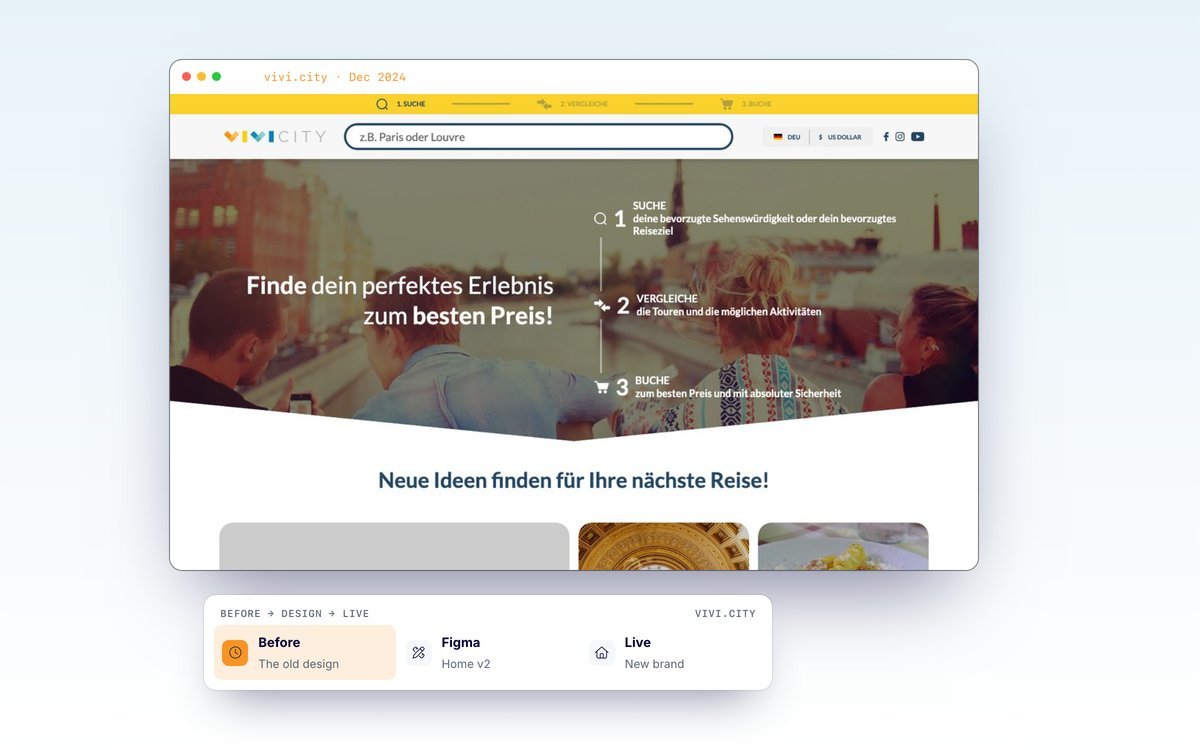
“ThePixel led a full revamp of vivi.city … Their technical depth and reliable delivery made a real difference.”Laravel · API · redesign
“The team is endlessly helpful, flexible and always quick to respond.”Magazine site · UI/UX

“They’re attentive, creative, and professional, and they really take the time to understand our needs.”Joomla site · several projects
“They built a stunning website and an efficient travel booking platform for Posada Nena.”Website + booking platform

“They do a good job of walking through each new project to fully understand the scope, and then are responsive throughout.”Several projects, several years
Yes – that is the usual start. We check it for missing states and breakpoints first, then build the template and overrides from it.
Yes. Text, images and lists stay in articles, modules and custom fields. Nothing a client changes weekly is hard-coded in the template.
Rarely. They lock layouts into their own format and usually slow pages down. T4 layouts and modules give editors the same freedom without that.
Yes. We add overrides and components to it, or build a child of it, and keep a list of every file we change.
By keyboard and screen reader on the real pages, plus automated checks, against WCAG 2.2 AA.
“The team is endlessly helpful, flexible and always quick to respond.”